6 Signs Your Mobility Is Affected After a Personal Injury Accident
28Apr
6 Signs Your Mobility Is Affected After a Personal Injury Accident
Early Mobility Changes Following a Personal Injury Accident
After a sudden collision or impact, it is common to notice stiffness, reduced range of motion, or discomfort that does not resolve quickly. Many people in Hamilton start searching for answers when daily tasks like bending, turning their neck, or walking feel different from how they used to. This often leads them to look into the Personal injury accident recovery process and what steps can support proper movement again.
In many cases, mobility changes are not immediately obvious right after the incident. They may develop over days or even weeks. Understanding early warning signs can help you take timely action and avoid long-term movement restrictions. The Personal injury accident recovery process often requires structured care, especially when movement becomes limited in daily life.
What is Mobility Limitation after a Personal injury accident?
Mobility limitation refers to the reduced ability to move a joint, muscle group, or body area normally after an injury. Following a Personal injury accident, the body may respond with stiffness, pain, or protective muscle tightening, which restricts natural movement.
This can affect simple activities such as:
- Turning the neck while driving
- Bending to pick something up
- Walking or climbing stairs
- Reaching overhead
- Sitting or standing for long periods
These challenges are often linked to early stages of the Personal injury accident recovery process, where the body is still adapting and healing from trauma.
Why Mobility Issues Develop After a Personal Injury Accident
Mobility changes do not happen randomly. Several physical factors contribute to reduced movement after an accident:
Soft tissue strain or injury
Muscles, ligaments, and tendons may be stretched or torn during impact, leading to stiffness and discomfort.
Reduced early movement
After an accident, people often rest too much, which can lead to joint stiffness over time.
Muscle imbalance or weakness
Certain muscles may stop working efficiently, leading to uneven movement patterns.
Delayed recovery support
Without early physiotherapy after a personal injury accident, stiffness and weakness may progress.
Compensatory movement patterns
The body may adapt by overusing certain areas, which further limits natural motion.
Understanding these causes helps explain why structured rehabilitation after a personal injury accident plays an important role in restoring movement.
6 Signs Your Mobility Is Affected After a Personal Injury Accident
Recognizing early changes in movement can help prevent long-term restrictions. Here are key signs to watch for:
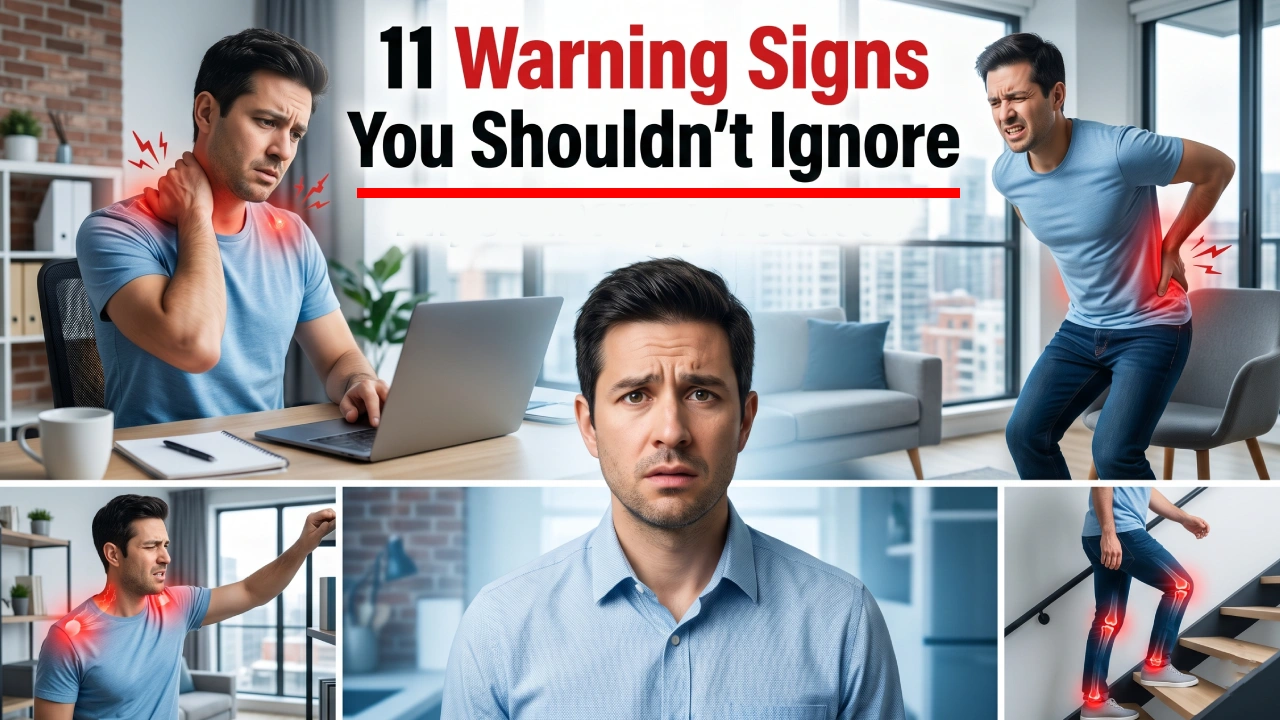
1. Difficulty turning or rotating parts of the body
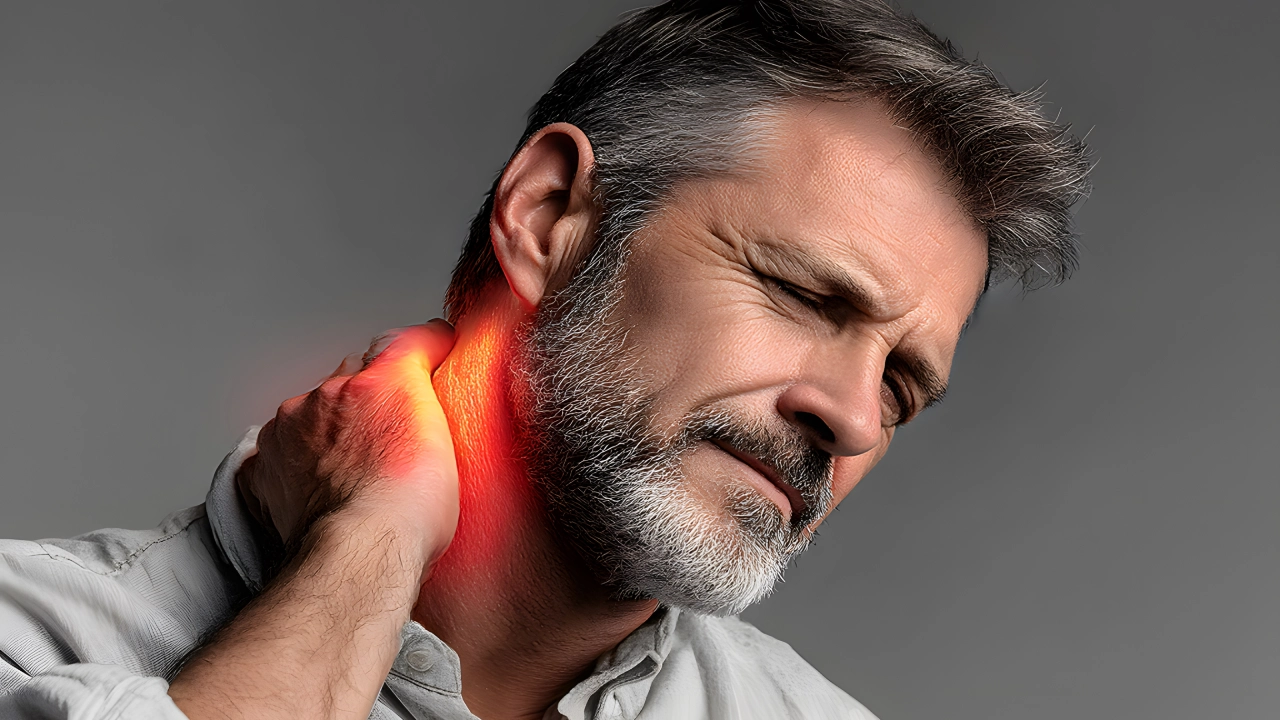
Simple actions like looking over your shoulder or twisting your torso feel tight or restricted.
2. Reduced range of motion in joints
You may notice you cannot bend, lift, or stretch as far as before the accident.
3. Stiffness after resting or waking up
Muscles feel tight in the morning or after prolonged sitting.
4. Pain during everyday movement
Walking, lifting objects, or reaching can trigger discomfort.
5. Feeling of weakness or instability
Certain body parts may feel less stable or harder to control during movement.
6. Avoiding movement due to discomfort
You may unconsciously limit activity to avoid pain, which can further reduce mobility.
These symptoms often indicate that the body is still in the Personal injury accident recovery process and may benefit from structured assessment and care.
How Physiotherapy Helps After a Personal Injury Accident
Physiotherapy plays an important role in restoring movement after injury. A structured approach focuses on rebuilding strength and improving mobility step by step.
- Movement and functional assessment
Identifies areas of restriction and movement limitations. - Exercise-based recovery strategies
Helps restore normal movement patterns through guided exercises. - Strength and flexibility work
Improves muscle balance and joint function. - Mobility improvement techniques
Focuses on reducing stiffness and increasing range of motion. - Non-invasive support methods
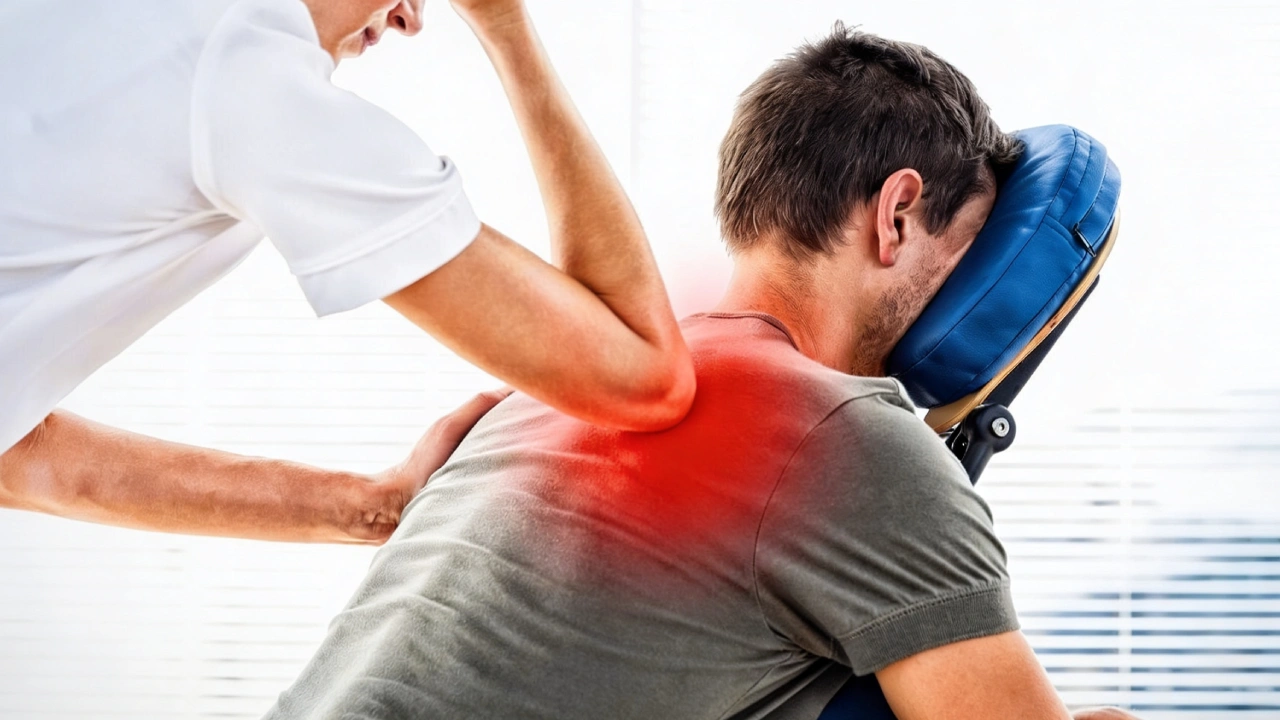
Includes manual therapy and controlled movement techniques without invasive procedures.
These steps are commonly used in physiotherapy after personal injury accident cases to support steady progress in movement recovery.
Common Mistakes During Personal Injury Accident Recovery
Certain habits can slow down recovery or worsen mobility issues:
- Ignoring early stiffness or mild discomfort
- Avoiding all movement instead of staying gently active
- Relying on self-diagnosis without professional assessment
- Returning to physical activity too quickly
- Skipping structured rehabilitation after a personal injury accident
Avoiding these mistakes can help support smoother progress in the recovery journey.
Personal Injury Accident Recovery Concerns in Hamilton
In Hamilton, many individuals return to physically demanding routines quickly after an accident. Commuting, work schedules, and daily responsibilities often lead people to ignore early signs of mobility restriction.
Cold weather months can also increase stiffness, making movement feel more limited. Combined with long sitting hours during work or travel, this can slow down the natural Personal injury accident recovery process.
Seeking early attention when symptoms begin can help prevent long-term movement challenges and support more effective recovery outcomes.
FAQs
When should I seek help after a personal injury accident?
If stiffness, pain, or reduced movement lasts more than a few days or worsens over time, it is a good idea to get an assessment.
Can physiotherapy help long-term mobility issues?
Yes, structured physiotherapy after personal injury accident can improve movement, strength, and function over time.
How long does recovery usually take?
Recovery time varies depending on injury severity and consistency with rehabilitation after personal injury accident.
What symptoms should not be ignored after an accident?
Ongoing stiffness, reduced range of motion, or pain during movement should be assessed early.
Do all injuries affect mobility?
Not all injuries cause mobility issues, but many soft tissue injuries can temporarily limit movement.
Moving Forward
Mobility changes after an accident can develop slowly and may interfere with daily life if left unaddressed. Paying attention to early signs and understanding the Personal injury accident recovery process can help support better movement outcomes.
If stiffness, pain, or reduced motion continue, an assessment can help identify the cause and guide next steps. At Fletcher Physiotherapy, located at 1808 Rymal Rd E, Hamilton, ON L0R 1P0, Canada, support is available for individuals dealing with post-accident mobility concerns.
Booking an evaluation can be a helpful step toward improving movement and returning to normal daily activities.
Resent Post